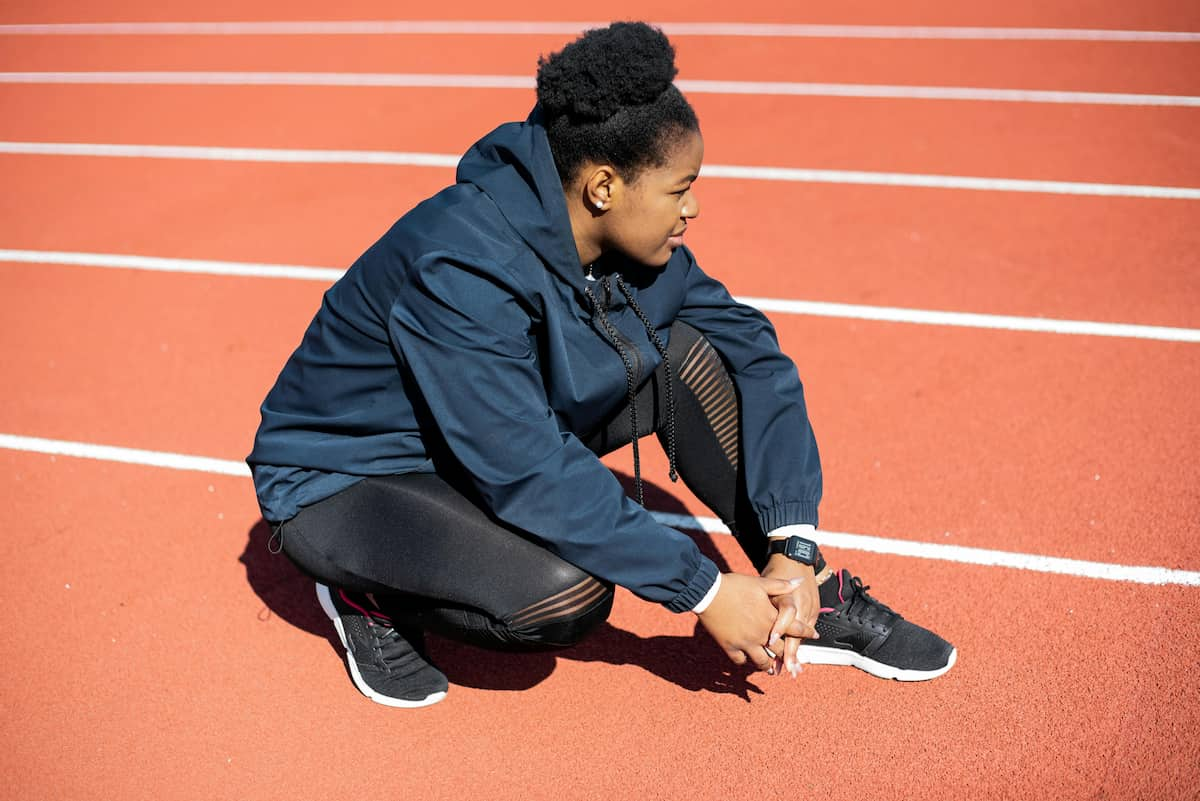
Sports injuries rarely end when the initial pain fades. In practice, the real challenge begins after the swelling goes down, when athletes are eager to return, but the body isn’t fully ready. Rushing that process is one of the most common reasons injuries linger or recur.
A successful comeback requires more than rest or waiting for symptoms to disappear. It depends on a structured treatment and rehabilitation plan that rebuilds strength, restores movement, and prepares the body for the demands of sport. The following sports injury treatment steps outline what a safe, effective return to play should look like in 2026 and beyond.
In sports medicine, recovery follows a structured, progressive plan. It heals injuries and restores optimal athletic performance through rehabilitation, reconditioning, and targeted training, helping you get physically and mentally fit to play again.
Effective recovery relies more on consistency than speed. Predictable results come from a steady routine of treatments, each designed to meet a clear objective. Without a well-designed plan, the road back to strength is much longer.
Structure is the method. Like routes to a roadmap, recovery works best when the paths are clear. In most cases, you can reach the finish line of sports injury recovery in just six steps.
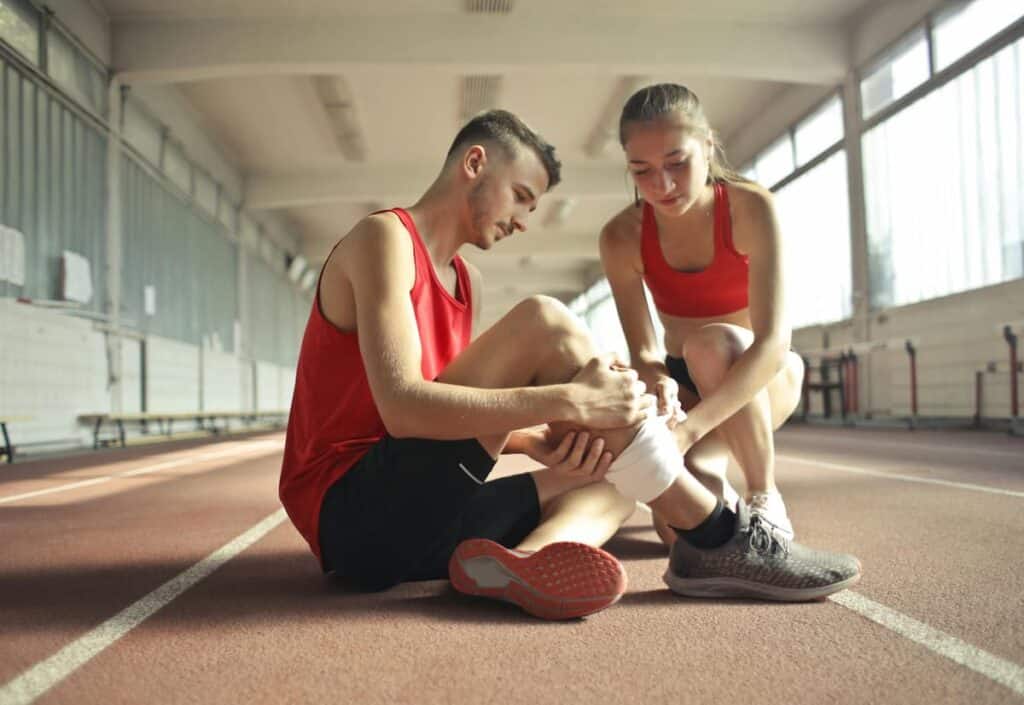
If you suspect a tear, fracture, or dislocation, your first stop should be the emergency room. For pain, swelling, or less acute injuries, a sports medicine specialist can provide a thorough consultation.
At this stage, your doctor’s goals are diagnosis and early injury care. You’ll be asked questions about your symptoms, and imaging, such as an MRI or X-ray, may be ordered to get a better look at your injury.
Once the injury is clearly established, your doctor will recommend an injury recovery protocol that suits your case. Traditional care often uses the Rest, Ice, Compression, Elevation (RICE) method, while newer approaches like Movement, Exercise, Analgesic, and Treatment (MEAT) emphasize active recovery. The choice depends on the type and severity of your injury.
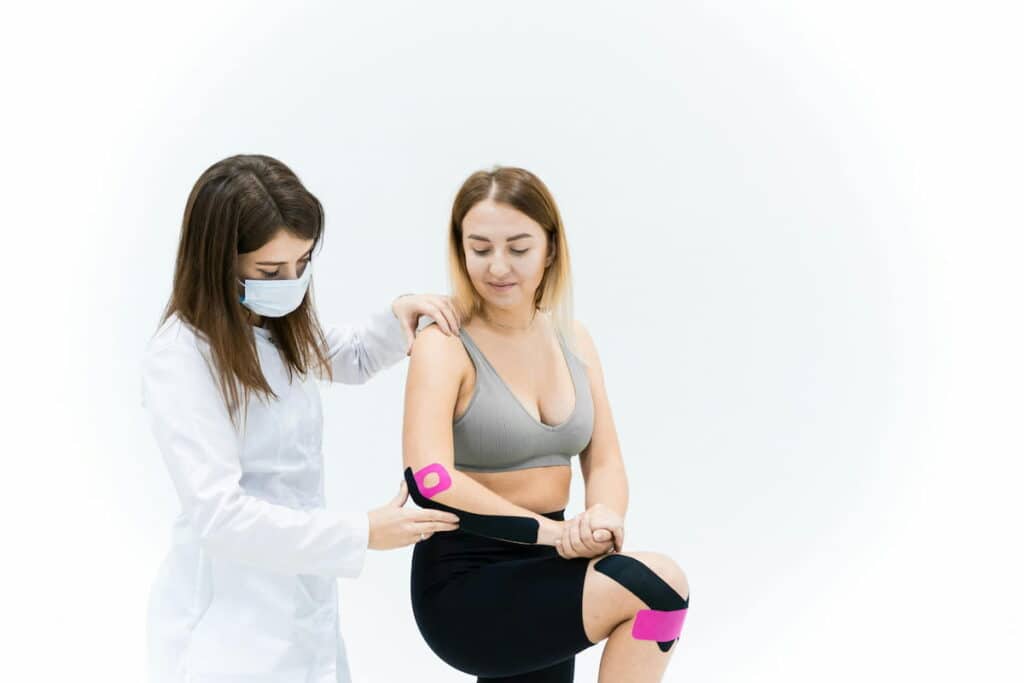
Sports injury rehab is the first stage of your treatment. At this stage, your doctor will develop a structured rehab plan tailored to your injury, with each session focused on getting your mobility and strength back.
It can be a challenging stage, since you’ll be working on injured joints and muscles to restore function through exercises. Movement may bring discomfort, but your therapist will be with you throughout the journey.
Throughout your sports injury treatment steps, prioritize sleep and proper nutrition. Adequate rest supports physical repair, while a balanced diet fuels your body's healing.
A comprehensive recovery plan for athletes should include both a nutritious meal plan and a consistent sleep schedule. These will help reduce swelling, rebuild muscles, and give your body the time it needs to bounce back stronger.
Of course, hitting nutritional targets with diet alone can be difficult in the daily grind. To keep your body well-supplied, consider nutritional and orthomolecular supplements as a supportive addition.
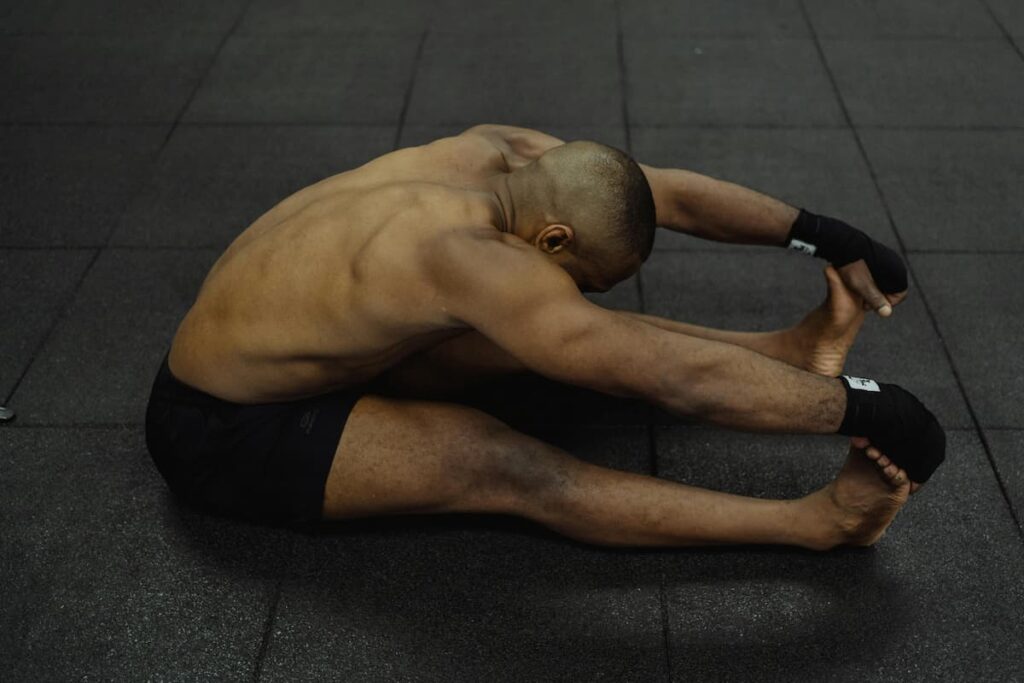
Once your body regains basic strength and mobility, you’ll move into athletic rehabilitation. During this stage, your doctor reconditions your body to restore optimal body performance.
Injury takes away training time and deconditions you, but reconditioning helps reclaim that lost ground by restoring range of motion and strength. Exercises become more challenging to stimulate progress.
Through personalized, progressive training, you’ll bounce back stronger. You’ll regain agility with little to no pain and begin to feel like your athletic self again.
Once you’ve regained athletic conditioning, you’ll advance to sports-specific functional training. This step raises the intensity with drills and exercises that mirror the demands of the sport you’re playing.
During sports-specific training, you’ll focus on re-adapting to movement patterns, building sports-specific strength and agility, and overcoming obstacles.
At this stage, you’ll feel close to your physical best. Speed, strength, and agility are restored, with mastery of your sport returning. You’re almost ready for game day, with just one final step to ensure nothing holds you back on the field.

Even after regaining athleticism, your return to sport may be hampered by fear of re-injury. It's natural to worry about repeating a painful experience after weeks or months of recovery, but overcoming this marks your true comeback.
To move past fear and encourage elite performance, you’ll work with a sports psychologist. Therapy helps you build calmness and confidence under pressure, and teaches you to trust your training when confronted with potential risks.
Once you’re mentally conditioned to play the sport you love, you’ve reached the finish line of your recovery. You’re now ready to begin your athletic journey stronger than before.
Throughout and after rehabilitation, you may incorporate other methods to improve your body’s conditioning.
You can explore massage therapy to help your muscles recover faster after training or rehab sessions, while chiropractic care supports your nervous system for the taxing demands of high-impact sports. These treatments can be valuable additions to your recovery plan.
For athletes in Fort Wayne, professional sports injury treatments are available to relax muscles and enhance overall wellness, giving you more ways to stay strong and ready for your comeback.
Your comeback awaits at the end of the six steps for sports injury treatment we discussed. With proper nutrition and sleep, a structured rehabilitation plan, and psychological preparedness, you’ll overcome the pain and make a powerful return.
When it’s time to start your comeback, North East Chiropractic Center is here for you. Our team is experienced in treating sports-related injuries and ready to guide your recovery. Schedule a consultation with us today!

Monday 8:30am – 6:00pm
Tuesday 9:00am – 4:30pm
Wednesday 8:30am – 6:00pm
Thursday 8:30am – 6:00pm
Friday 9:00am – 4:00pm
Saturday 8:30am – 12:30pm
Sunday Closed